Changing tides
Sci-Arc Grad Thesis
Summer 2025
Advisors: Herwig Baumgartner & John Cooper
The environments we inhabit are constantly changing. Each day brings a shift, tides rise and fall, the sun crawls westward across the sky. Over seasons, the winds and currents shift their tempers, waters warm or cool, and ecosystems adapt. Over the decades, we witness even more profound transformations: coastlines recede, forests vanish, sea levels rise, and technology reshapes the way we interact with the world.
In my own lifetime, I’ve watched storms and swell events reshape the coastal communities I grew up in. Coral reefs have bleached and died. Beaches have narrowed. Homes, businesses, and piers have been swallowed by the angry sea. It’s as if the ocean is calling out, begging for attention, and it may be time we start to listen.
So the question arises:
How do we protect what we love while surrendering to the inevitability of tide and time?
How do we design with the sea’s cycles, not in denial of them?
The usual human response is armor. Seawalls, breakwaters, hard concrete jaws meant to bite back the swell. These barriers hold the shore in place, for a moment, but they poison, displace, and silence the ocean creatures of the environments they are inserted into. They block the gossip of tides, exile marine creatures, and accelerate erosion further down the coast. They forget that the sea does not yield to walls; she seeps, swells, and reshapes.
This thesis proposes an alternative: A regenerative artificial reef system that does not fight against nature, but collaborates with it. A structure that mimics the irregular crevices of natural reef formations and encourages coral growth, shelters fish, slows waves, and lets water whisper through.
But it is not just for marine life.
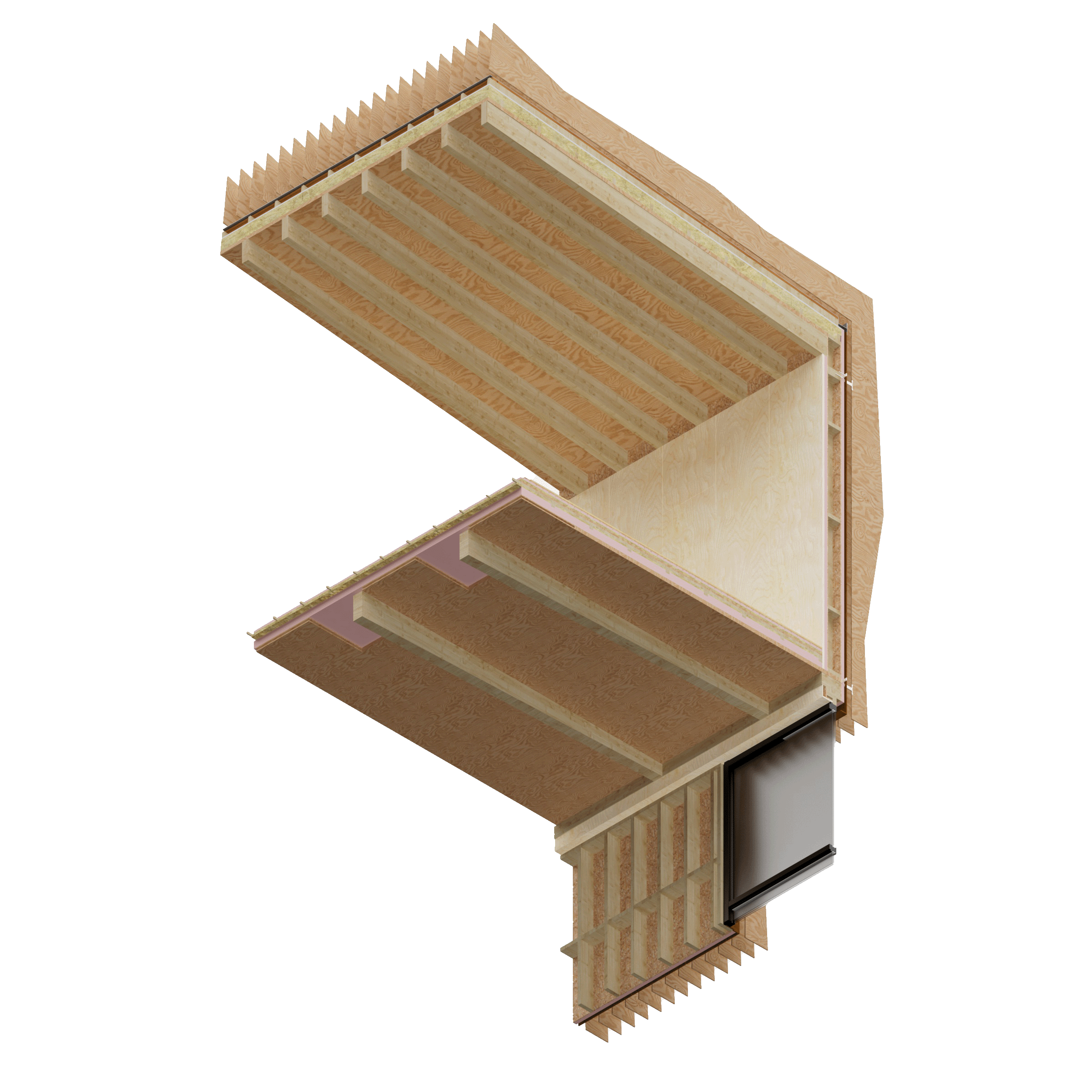
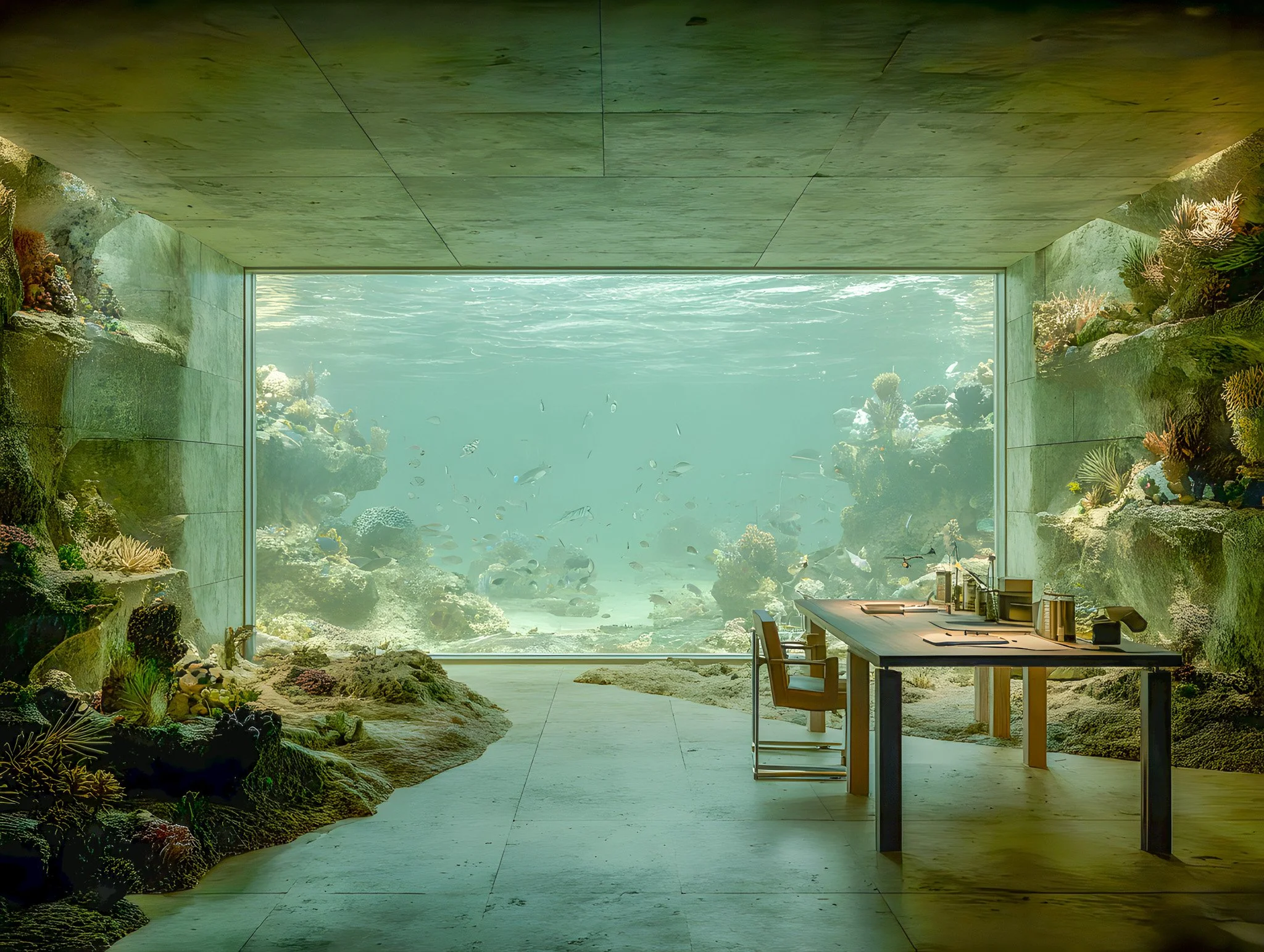
The reef structure is also a building, a marine research center, a playground for eco-tourism, a storybook for public ocean literacy. Circulation paths flood and reveal with the tides, teaching visitors to walk, climb, and swim in rhythm with the sea’s breath. Some spaces vanish under high tide, only to return later, salted and changed. The architecture insists: time and tide are collaborators, not inconveniences.
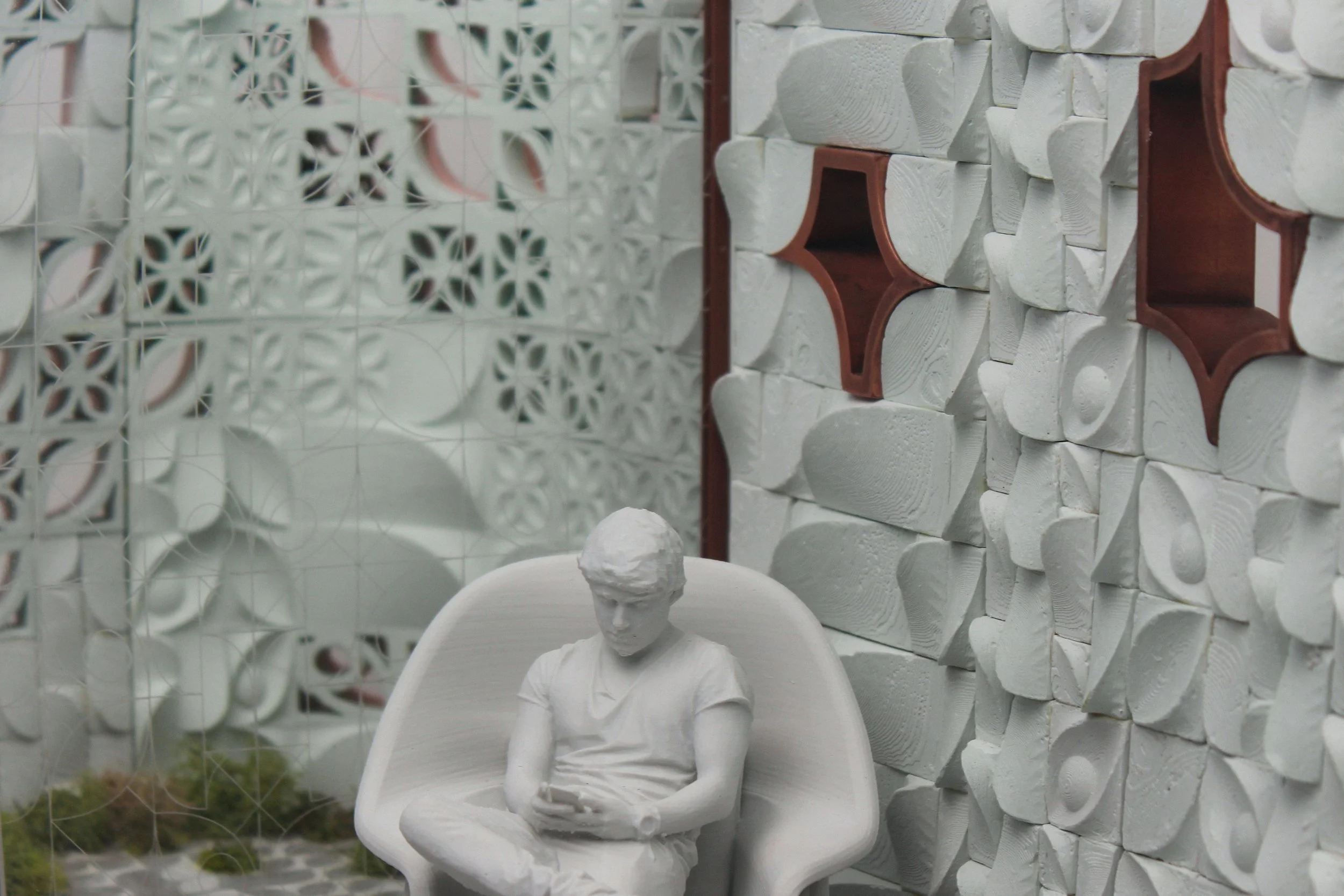
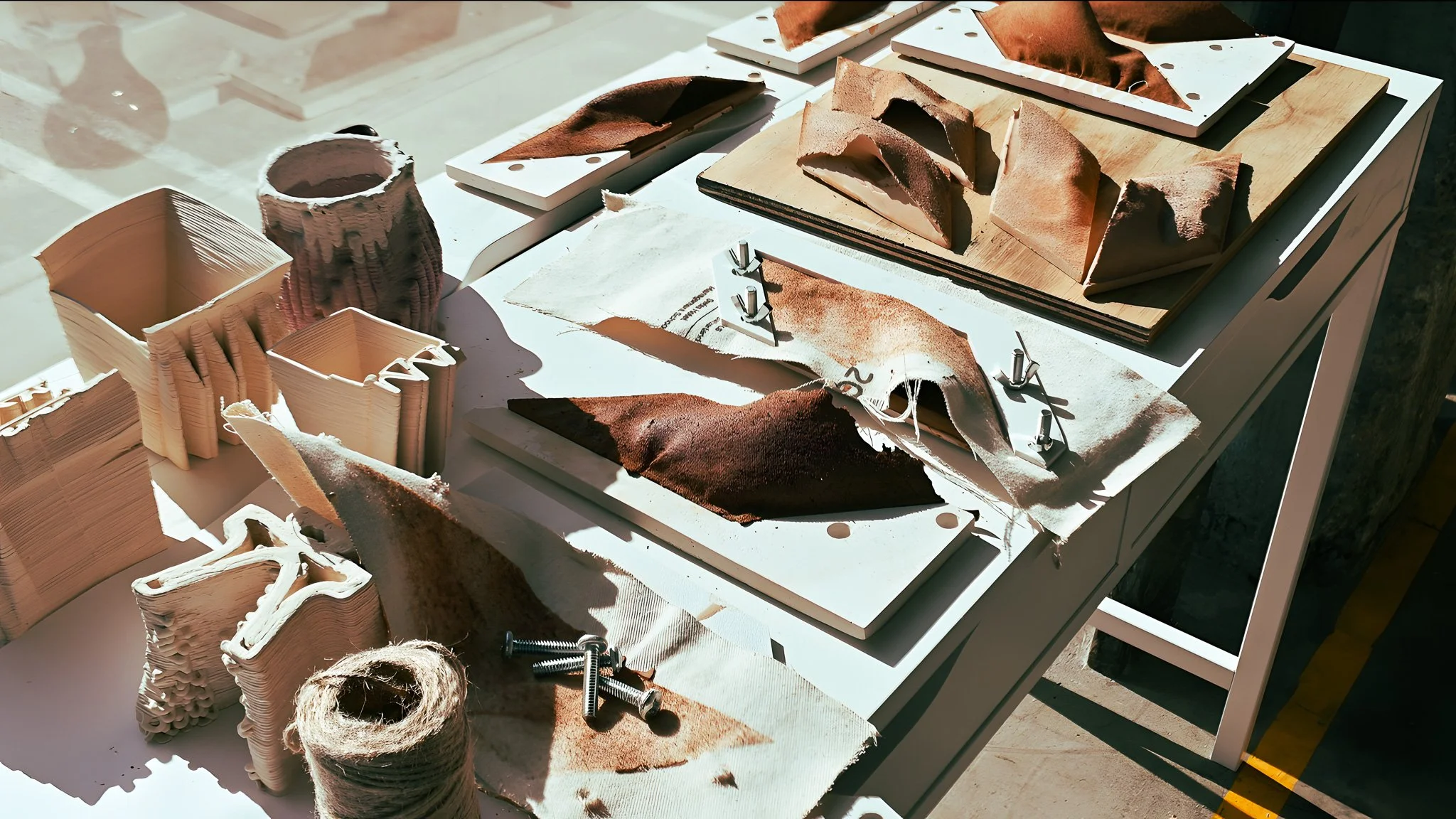
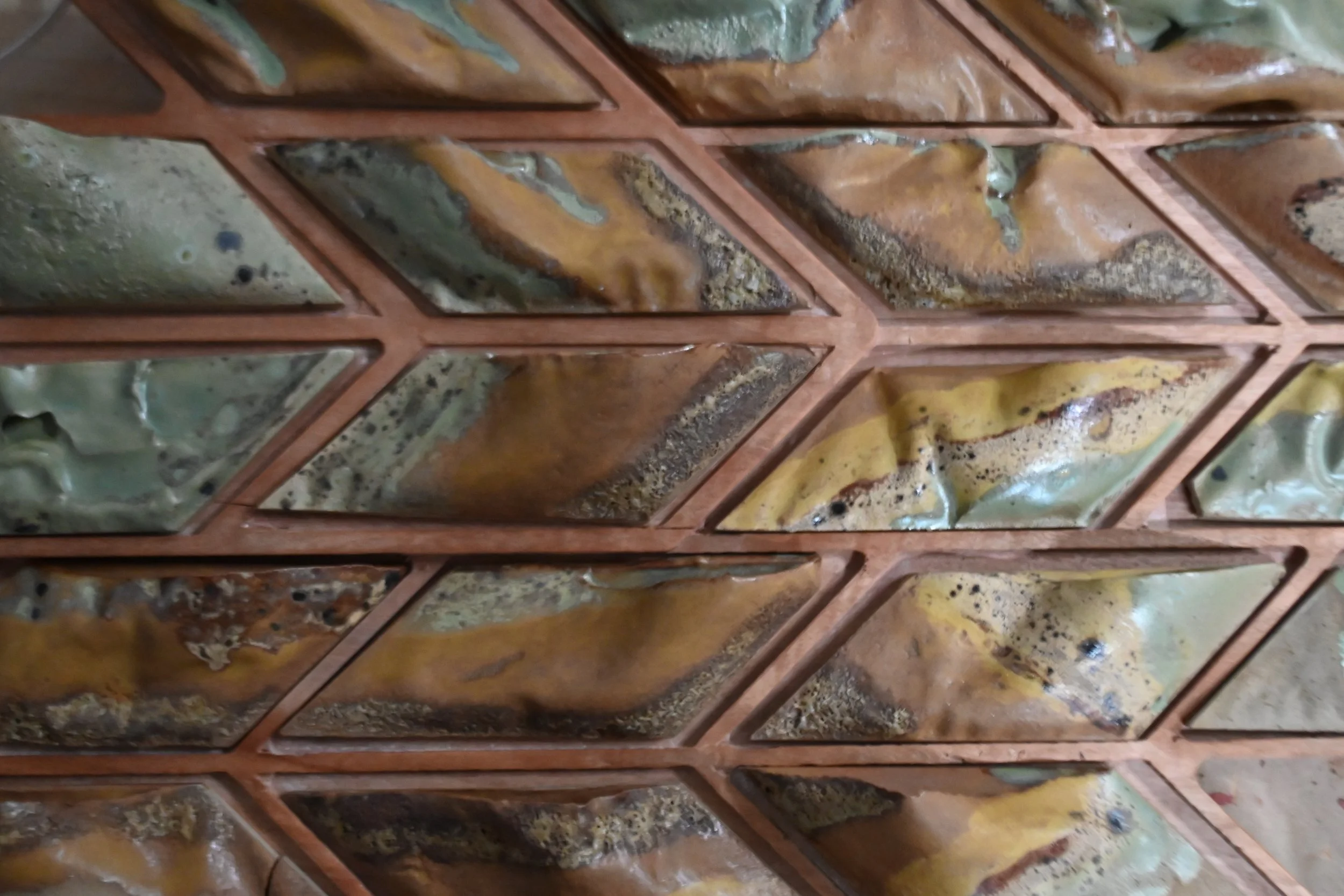
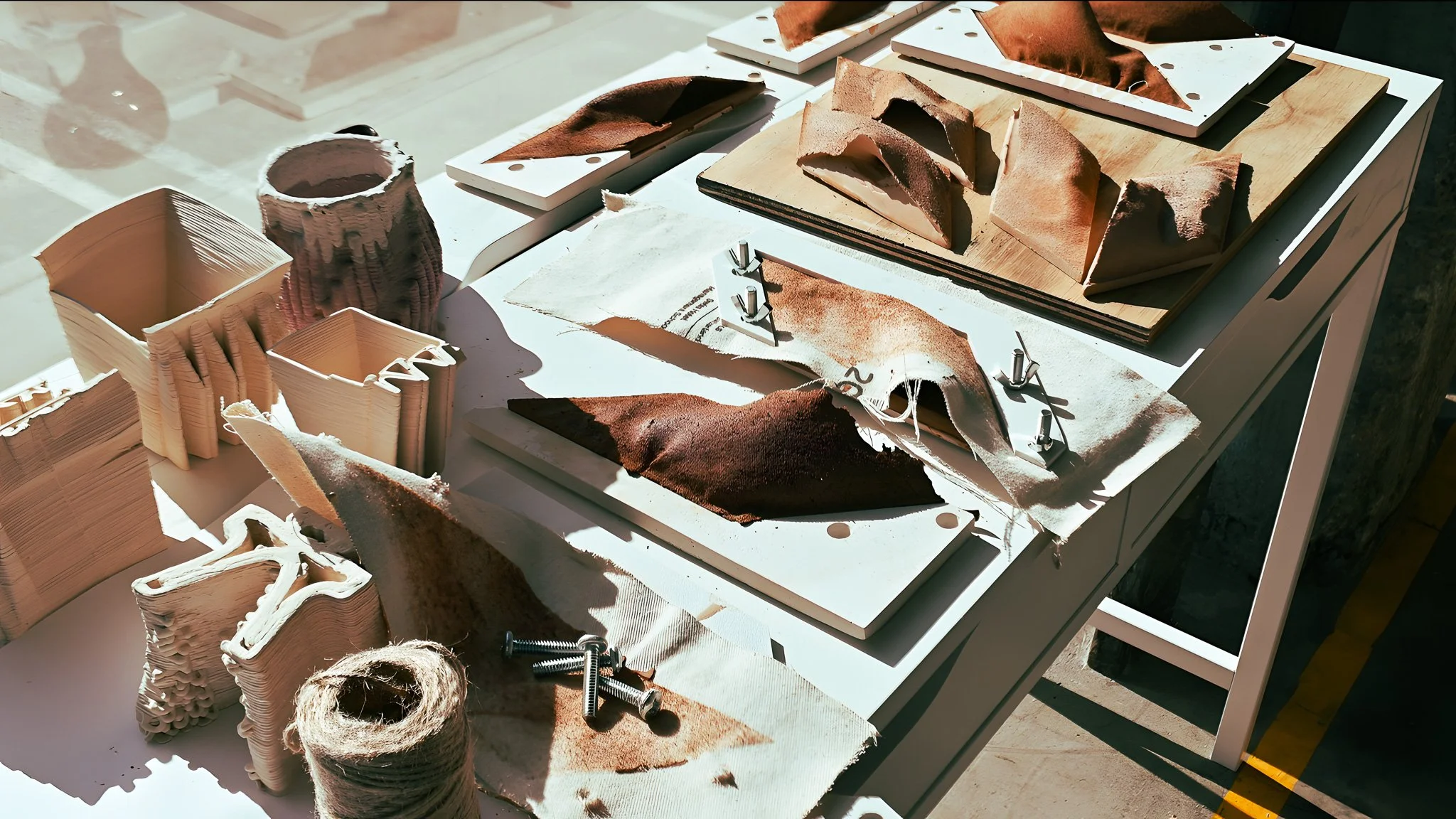
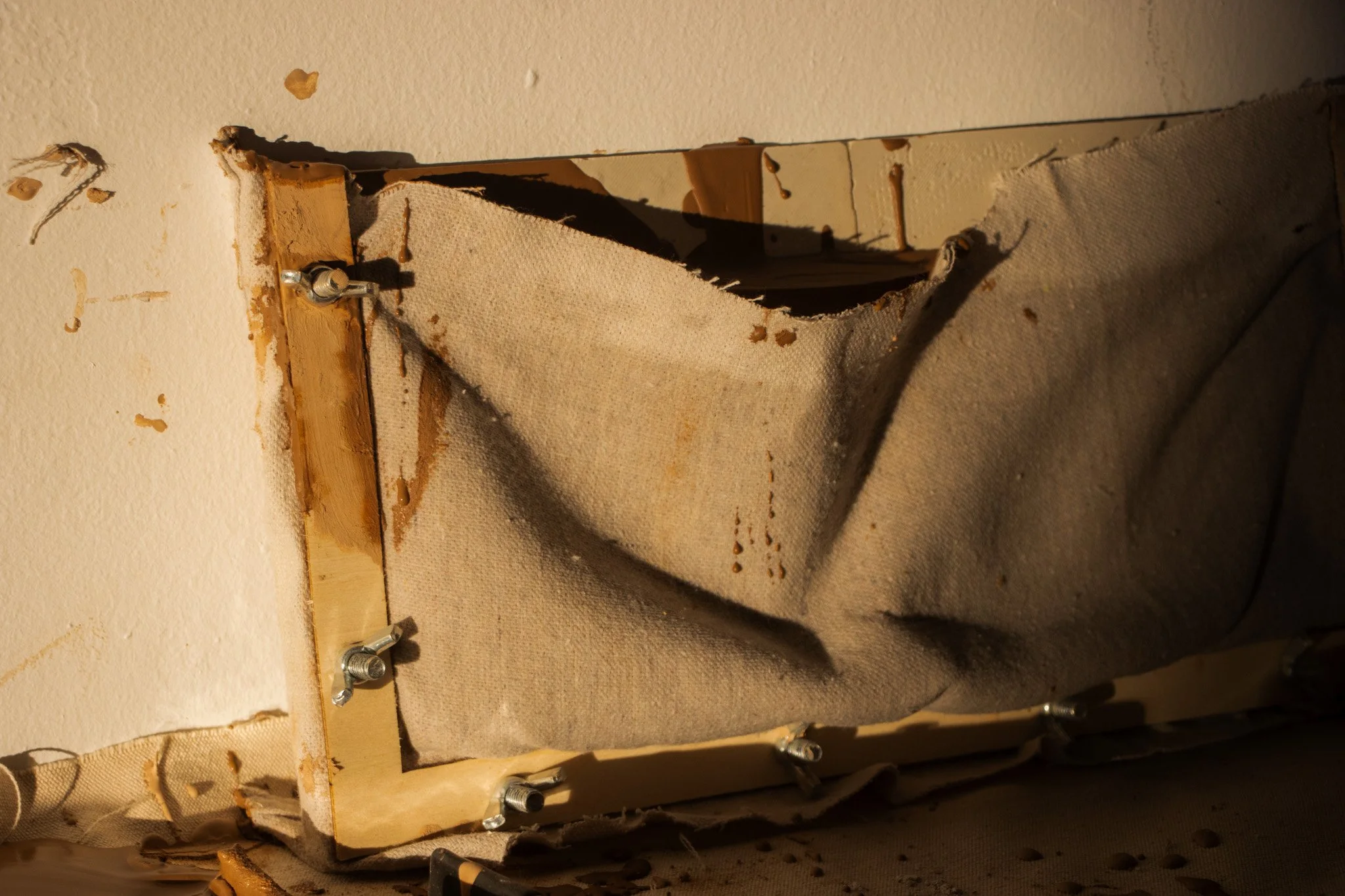
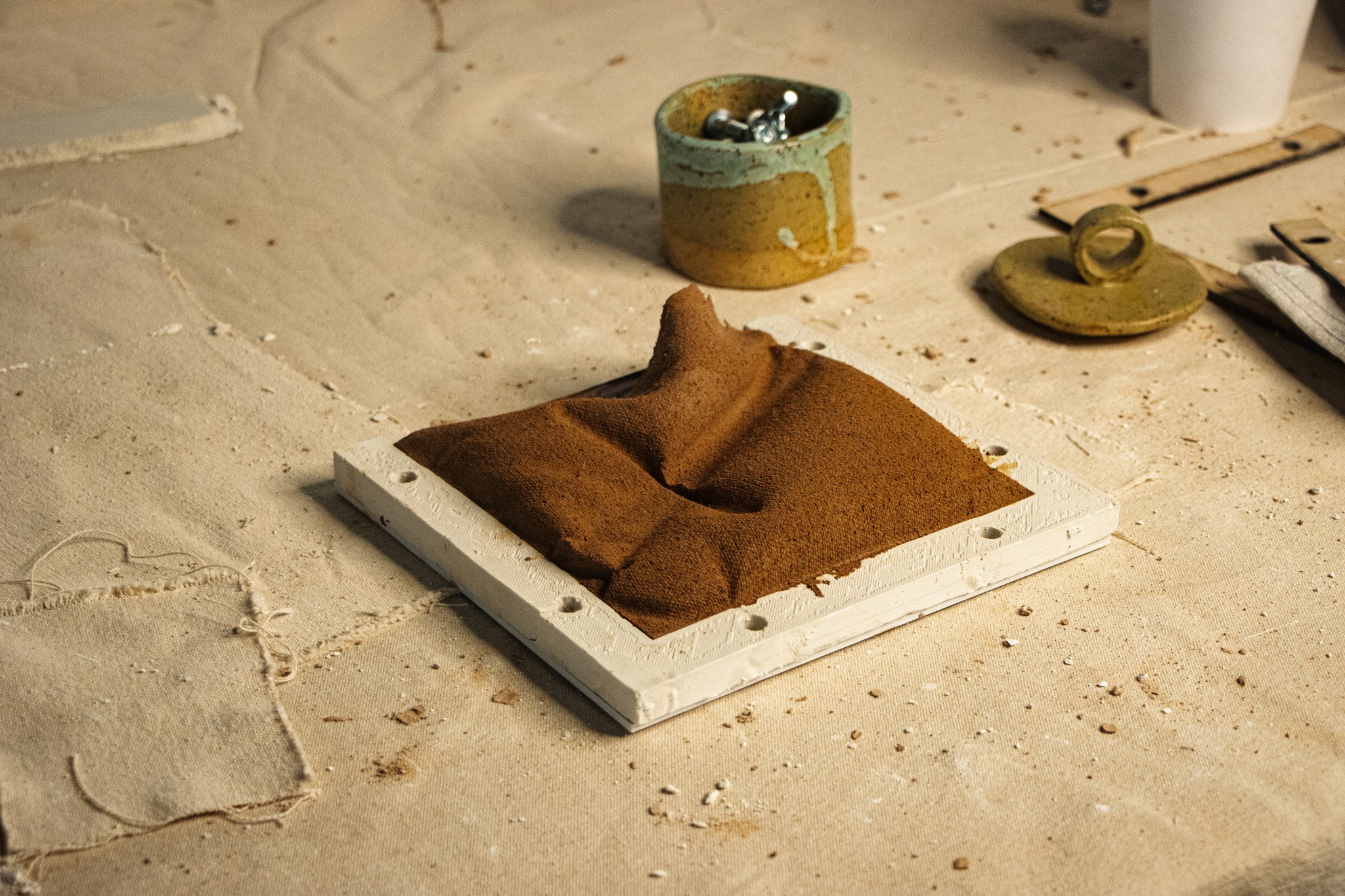
The building’s design process mirrors the ecological principles it supports. Its modules are created through a hybrid casting method, half rigid, half soft. The back of each unit follows a regular square geometry to allow for modular stacking. but its face is fabric-formed, shaped by gravity, water, and chance. This soft casting produces surfaces that are never identical: porous, knotted, seductive to barnacles and algae, alive with difference.
Over time, this reef-building becomes a porous scaffold for coral, algae, and marine creatures to inhabit, and a spatial story of resilience, decay, and rebirth. As sea levels rise, the building is partially submerged. Its role shifts. Observation decks become snorkeling platforms. Research labs open directly to the ocean. What was once protected becomes surrendered, and new uses emerge.
Rather than resisting change, this project embraces it.
It repositions architecture not as a fixed monument, but as a participatory ecosystem, shaped by both human intention and nonhuman forces.
Through this work, I aim to reimagine coastal architecture as a tool for regeneration, education, and cohabitation. A structure that protects shorelines not by resisting the sea, but by dancing with her, porous, evolving, and always in the thick of becoming
Overview
The project begins as a human-occupied space that allows for both formal research and recreational exploration of marine life. Over time it gradually transitions into living reef.
It offers a spiritual return to balance: a structure born not to resist nature, but to be reclaimed by it, reminding us that we are not the center of this world, but a fleeting, interwoven part of its sacred continuity.
Program
Research Center: Studies marine biodiversity, coastal resilience, and material innovation.
Ocean Aquarium: Acts as a public educational hub linking science and community.
Reef Park + Boardwalk: Encourages eco-tourism and direct engagement with living reef systems.
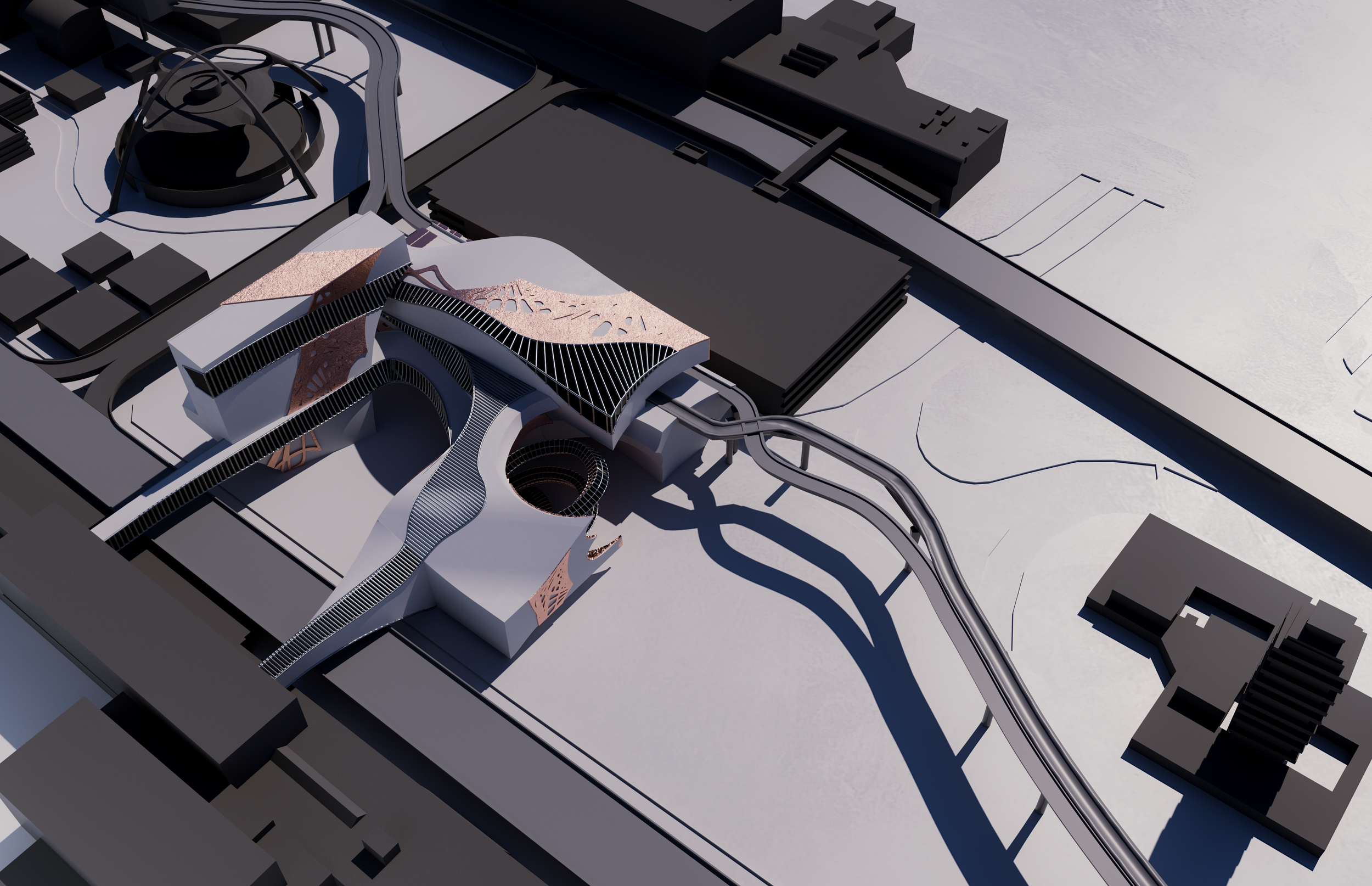
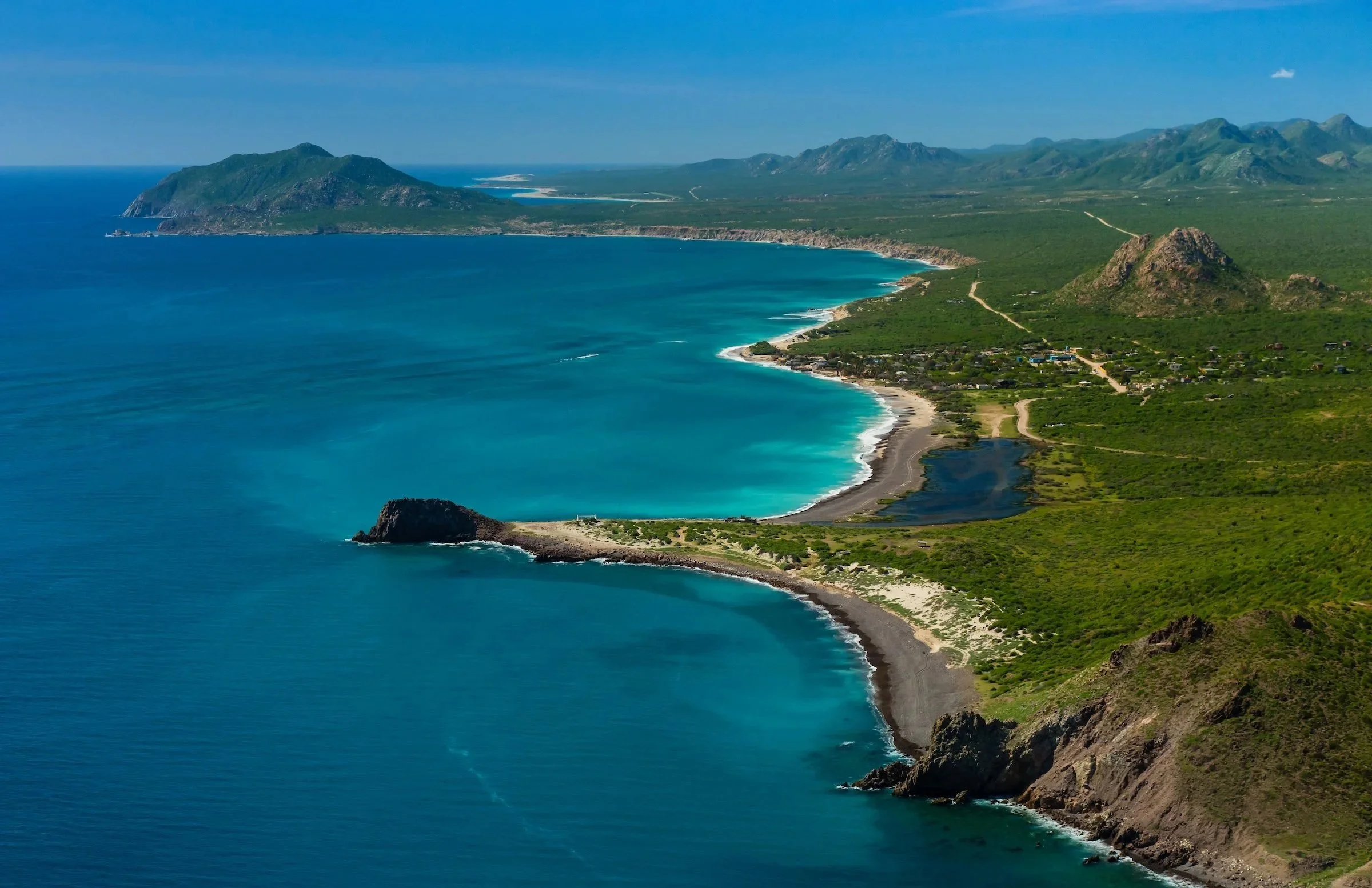
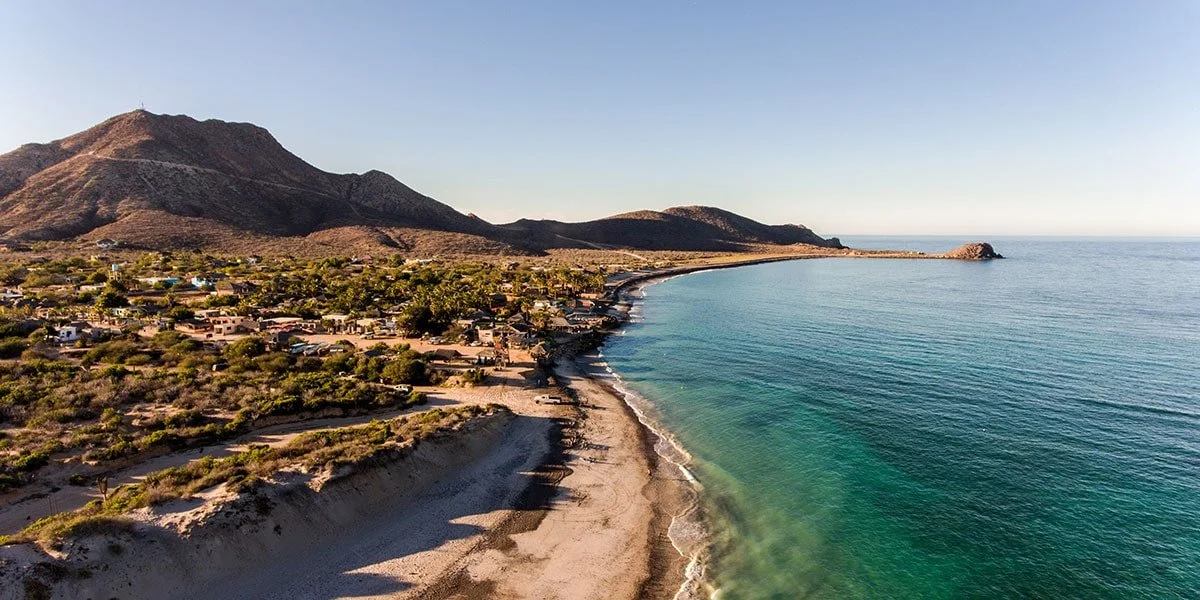
The site is located in the town Cabo Pulmo, situated at the southernmost tip of Baja California. It is known for its biodiversity and conservation efforts.
Located along a vulnerable coastal zone, the project addresses issues of sea-level rise, erosion, and habitat loss. By merging public access with ecological restoration, it transforms a threatened site into a model for climate-adaptive urban coasts.
Artificial Reef
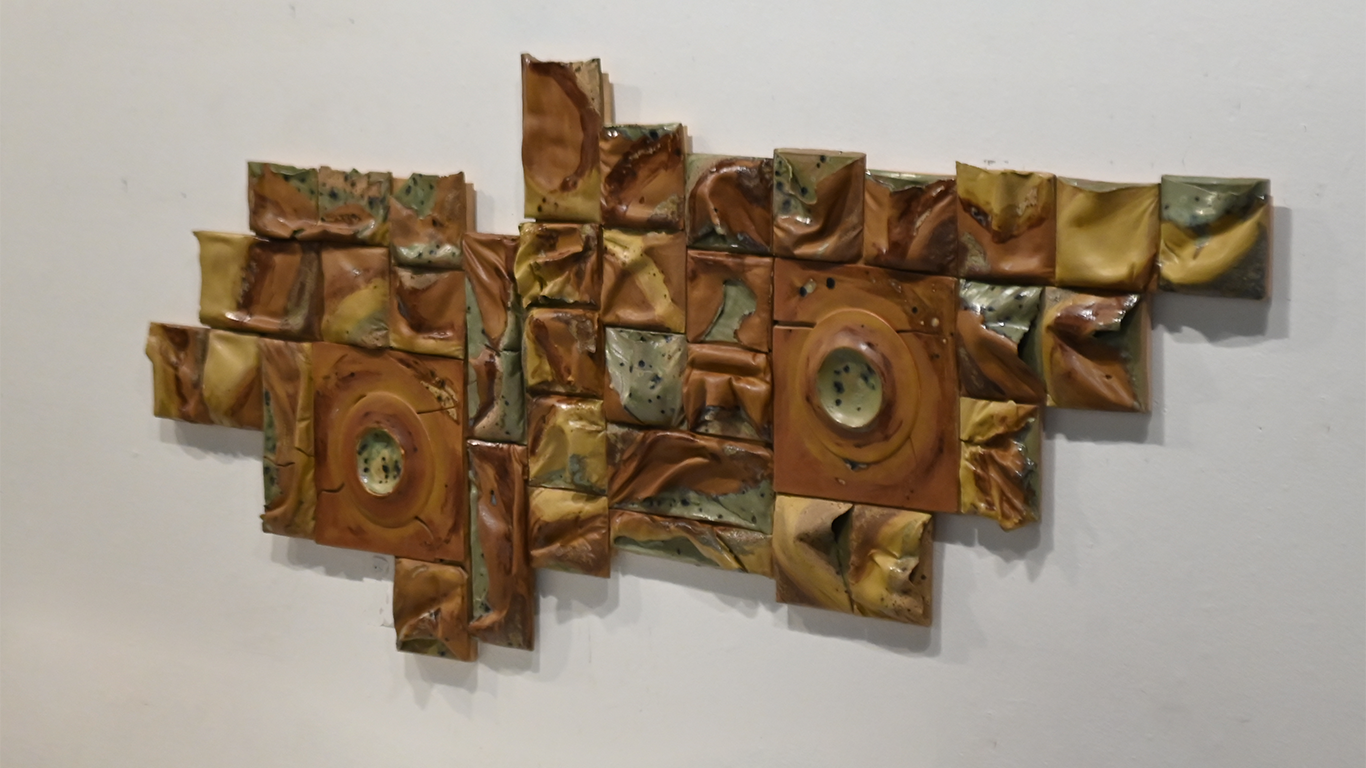
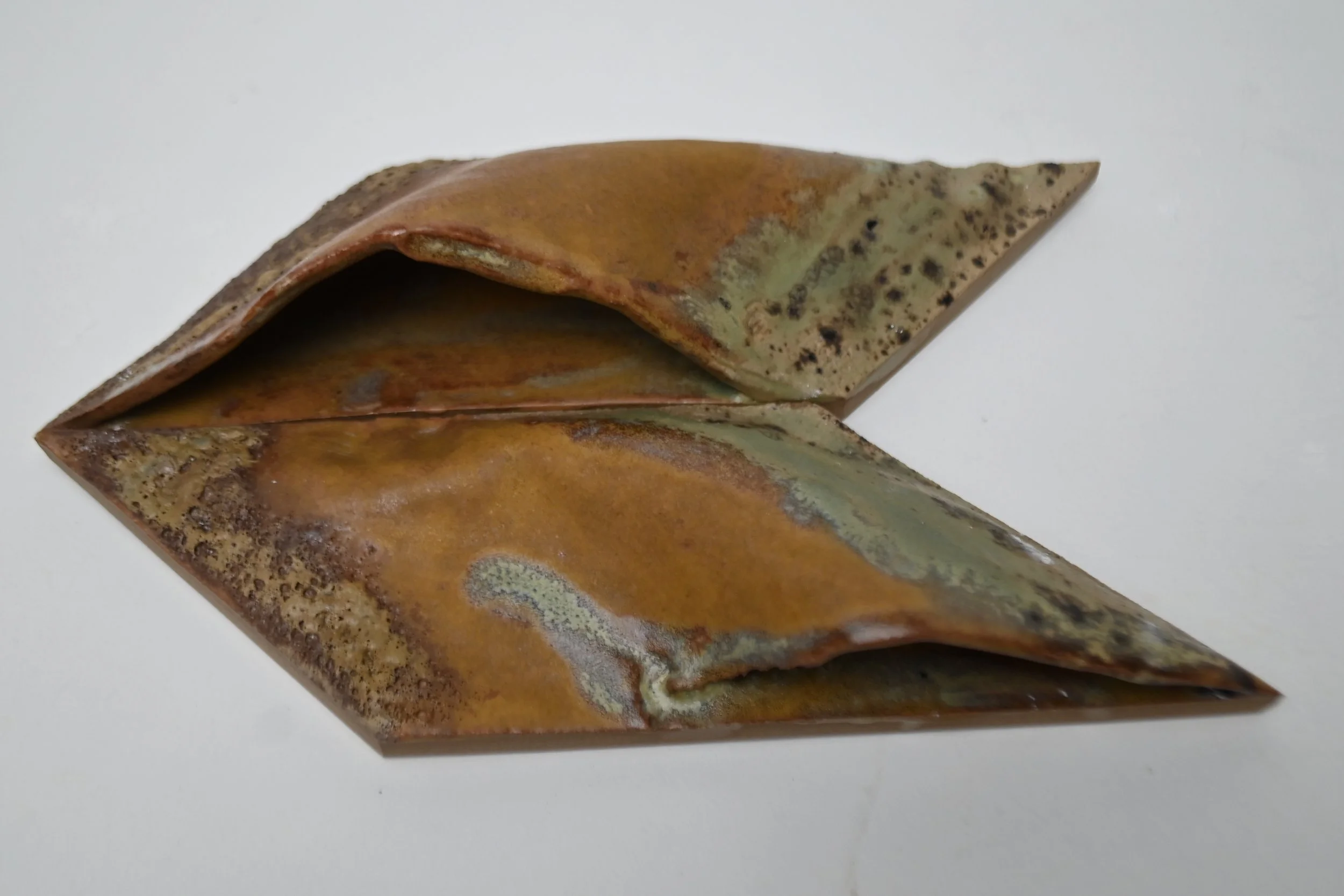
At the heart of the project is a modular artificial reef made from slip cast ceramic units. These bio-receptive modules provide substrate for coral and shellfish growth, enhancing marine biodiversity while dissipating wave energy.
Site
Fabrication
A hybrid slip-casting technique was developed to form the ceramic modules. The process combines a rigid plaster mold on the back, to ensure structural consistency with a flexible fabric front that moves and reacts to the liquid clay. This method produces dynamic, unpredictable surfaces that invite marine organisms to seek shelter, attach, and grow, blurring the line between designed form and natural formation.
Material Research
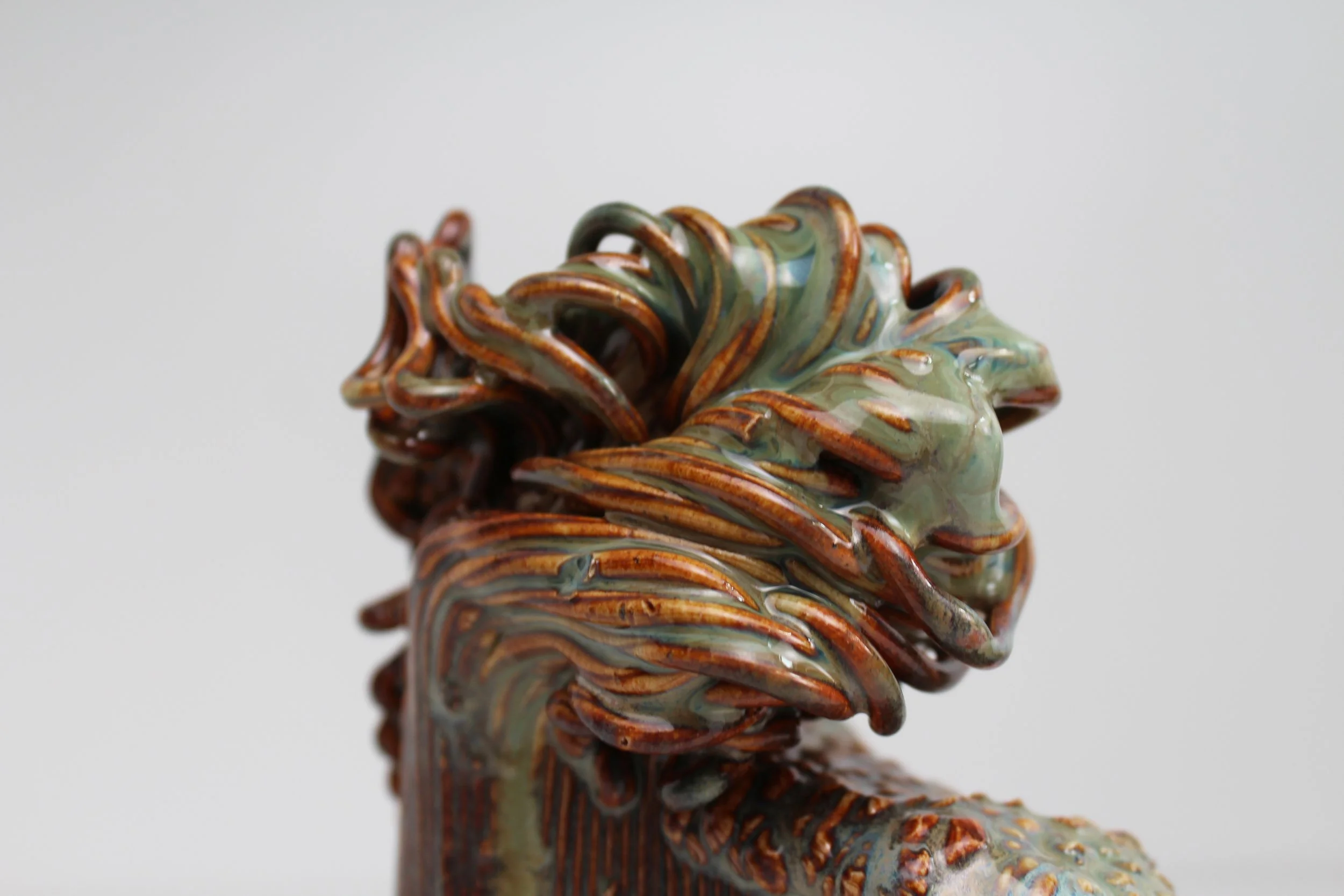
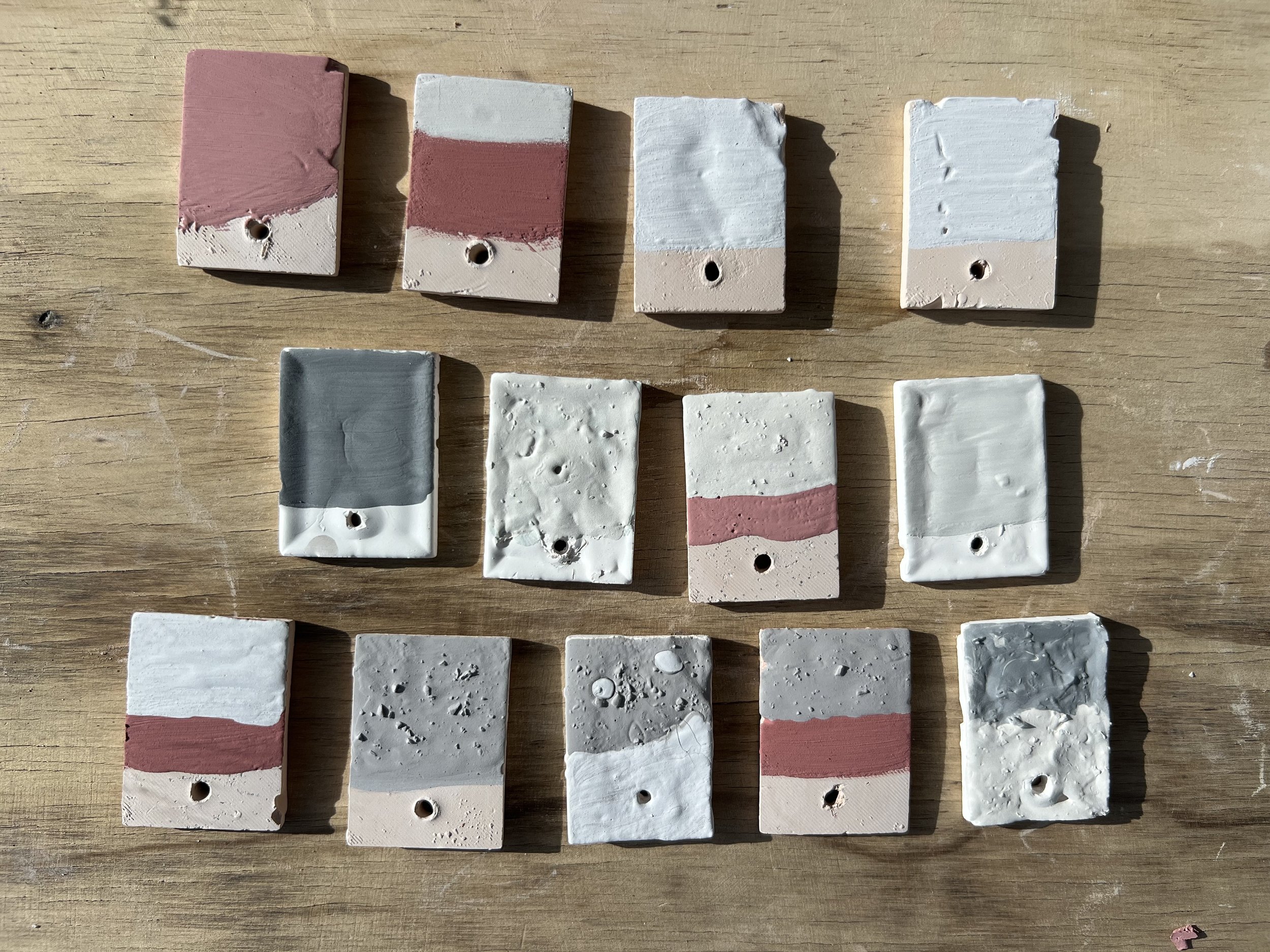
Experiments with ceramic glazes investigate how texture, porosity, and mineral composition influence marine life colonization. The design merges scientific function with aesthetic expression, blurring the line between architecture and living matter.
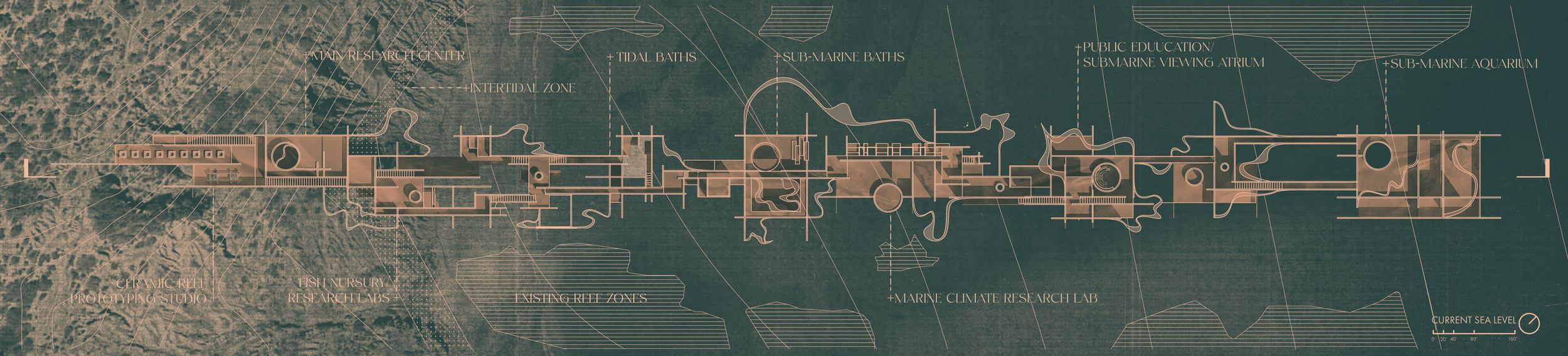
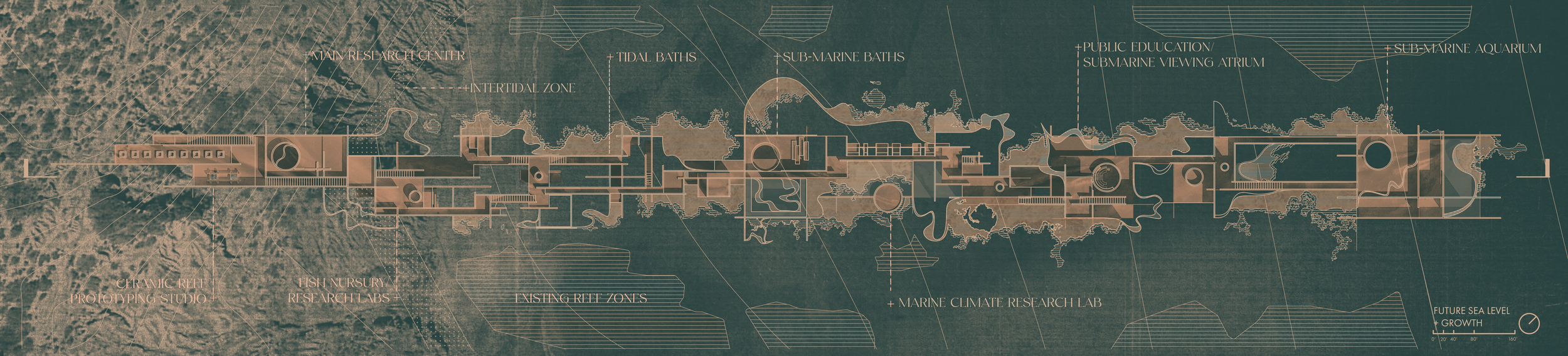
These site plans illustrate how the form and programming of the project changes over a 100 year period as sea levels rise and coral and sea life grow, making home on the man-made structure.