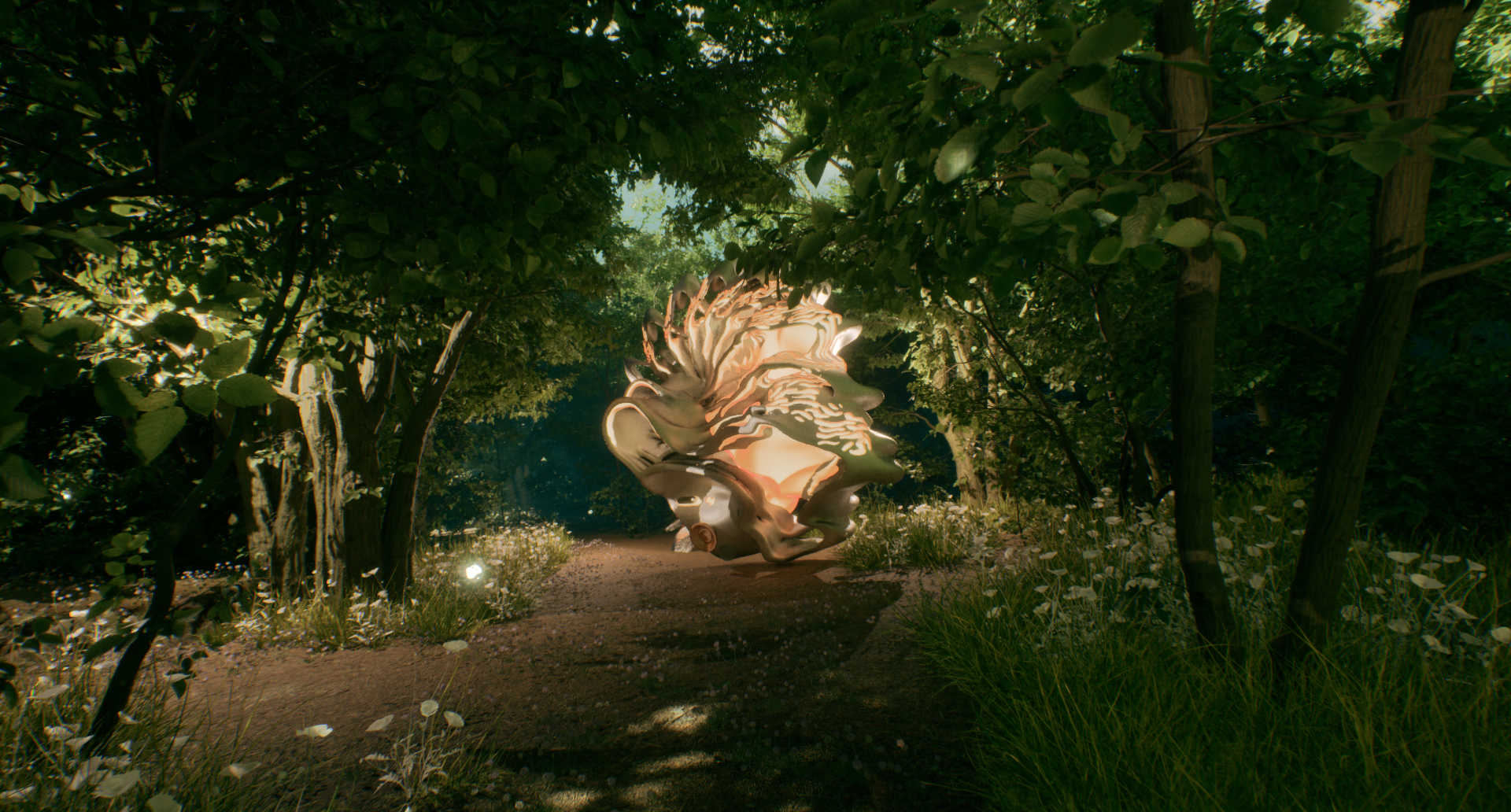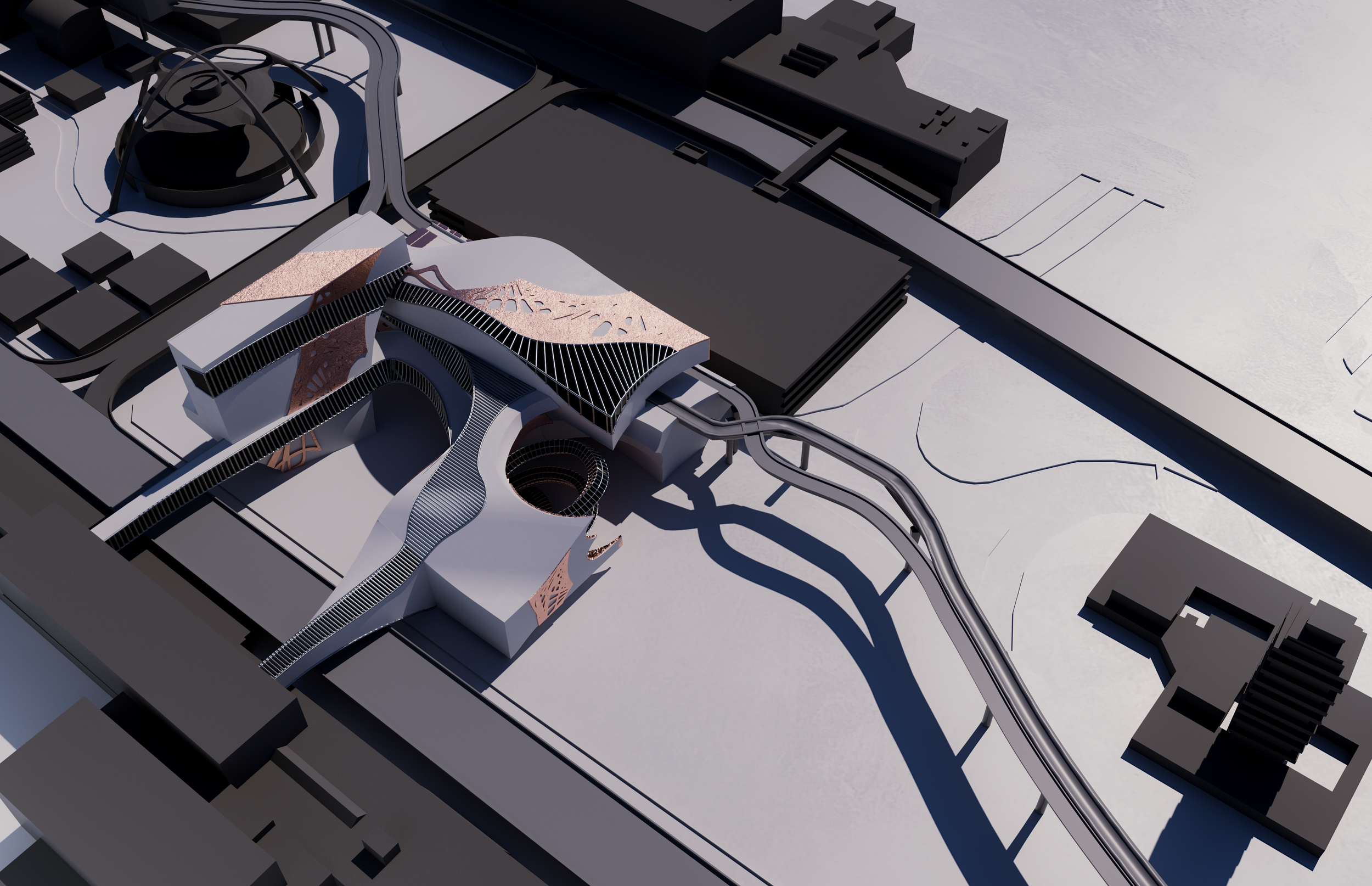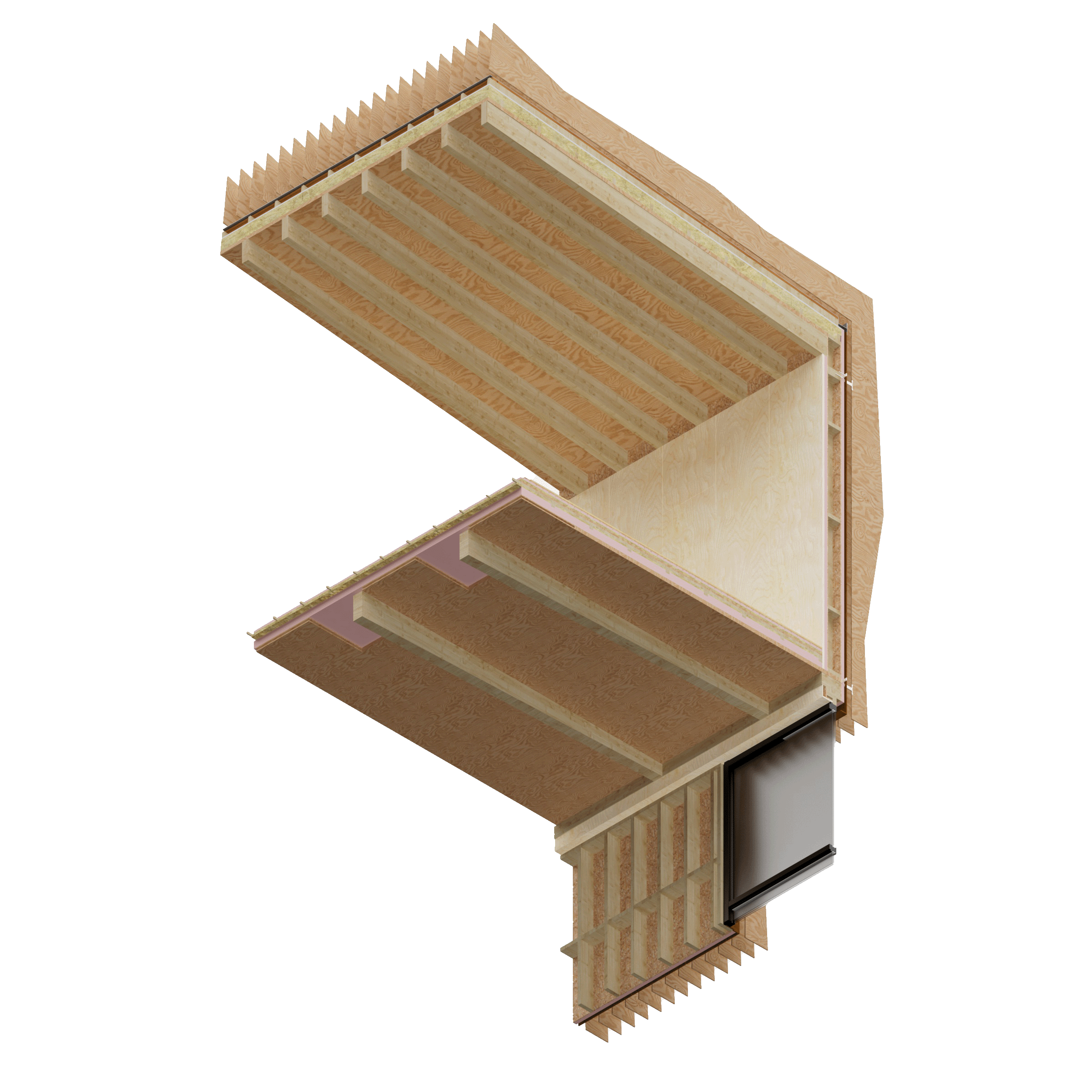
super skins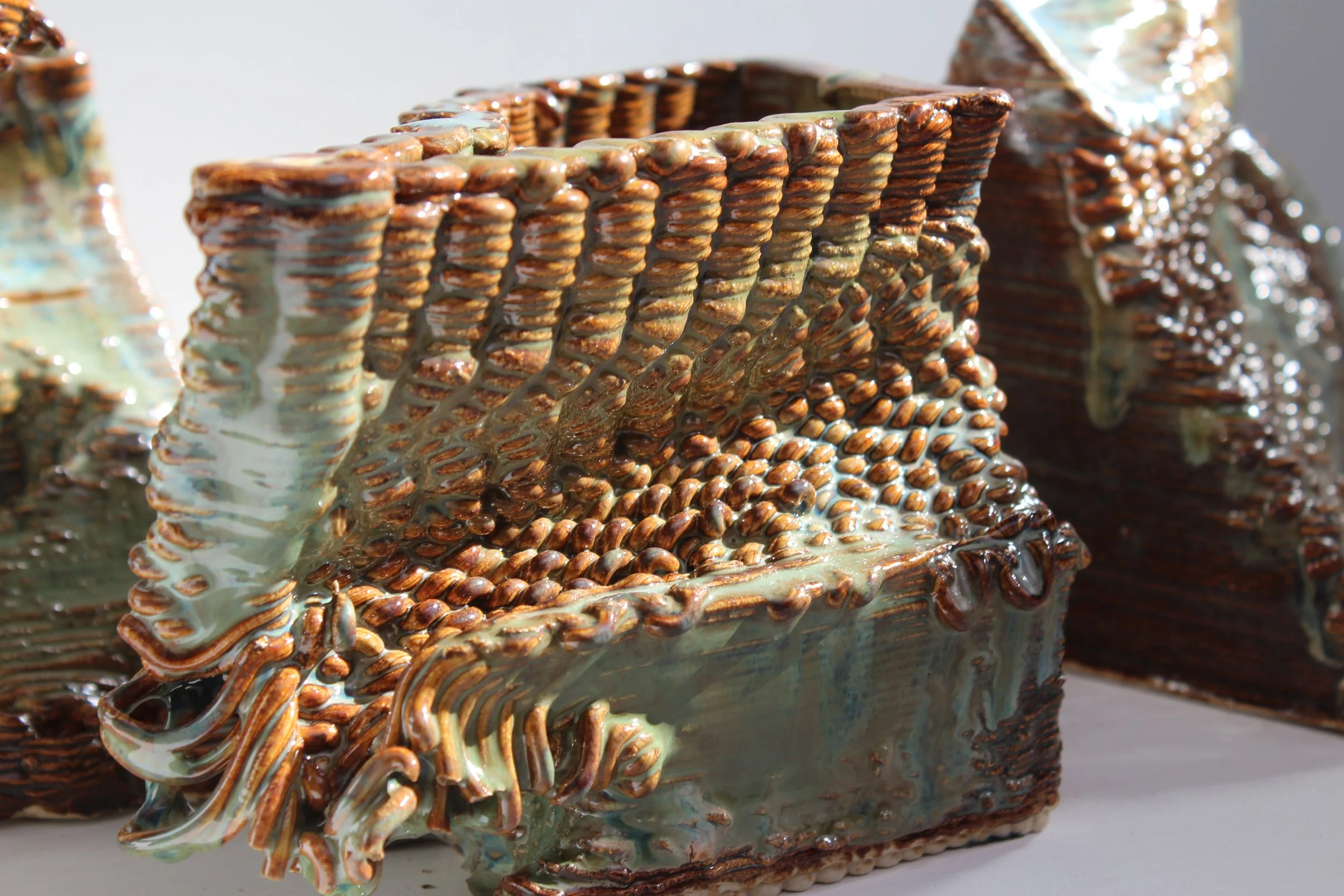
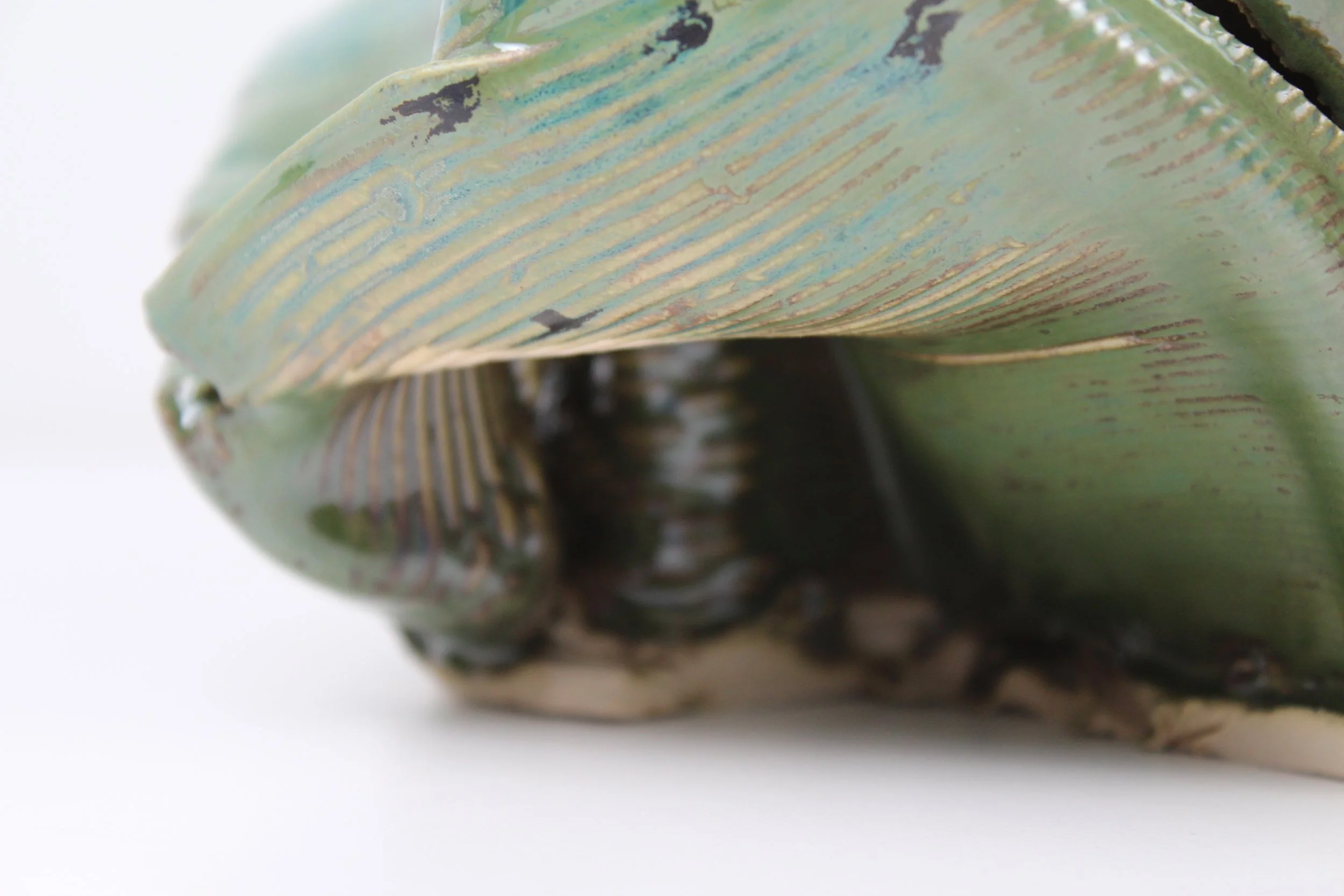
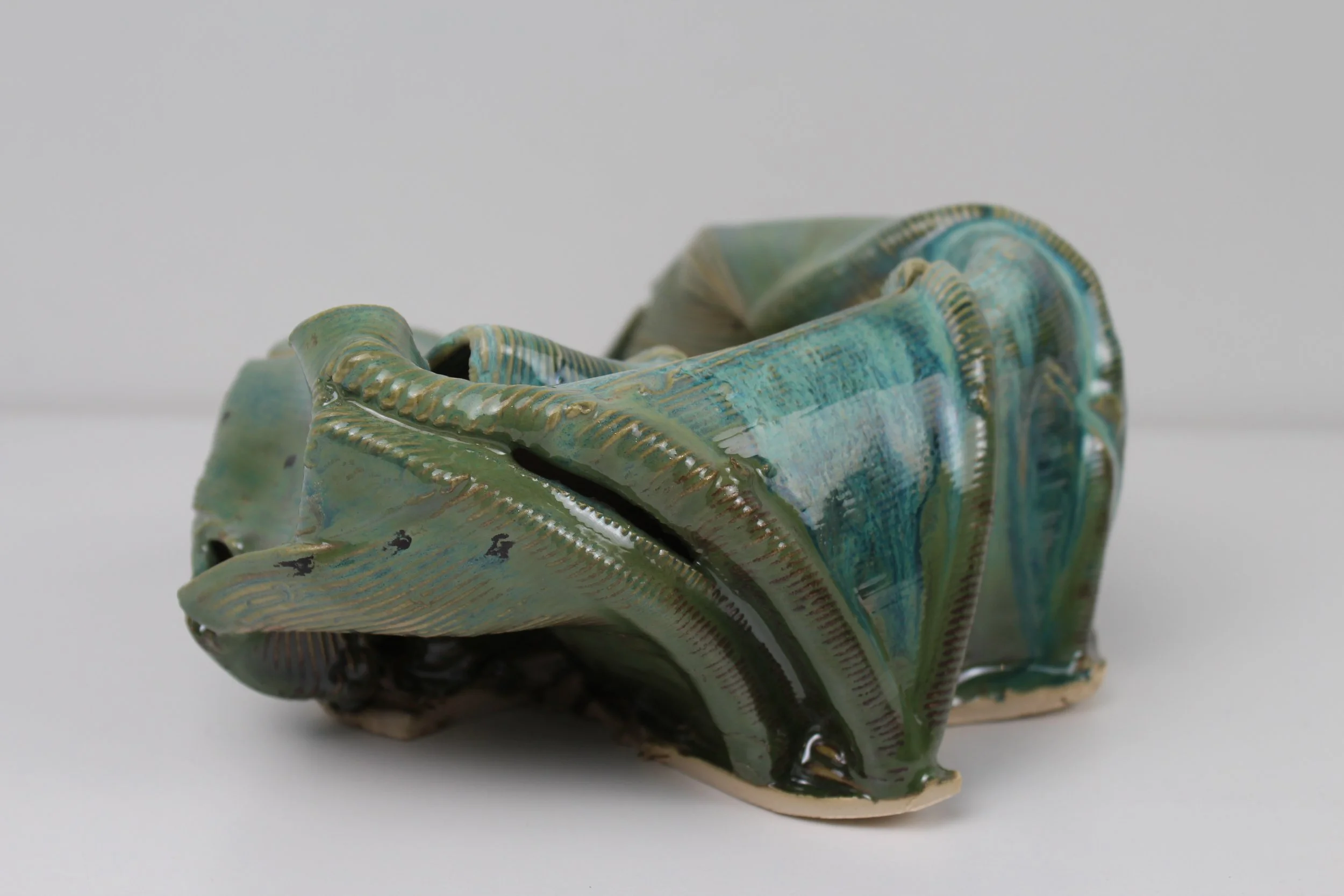
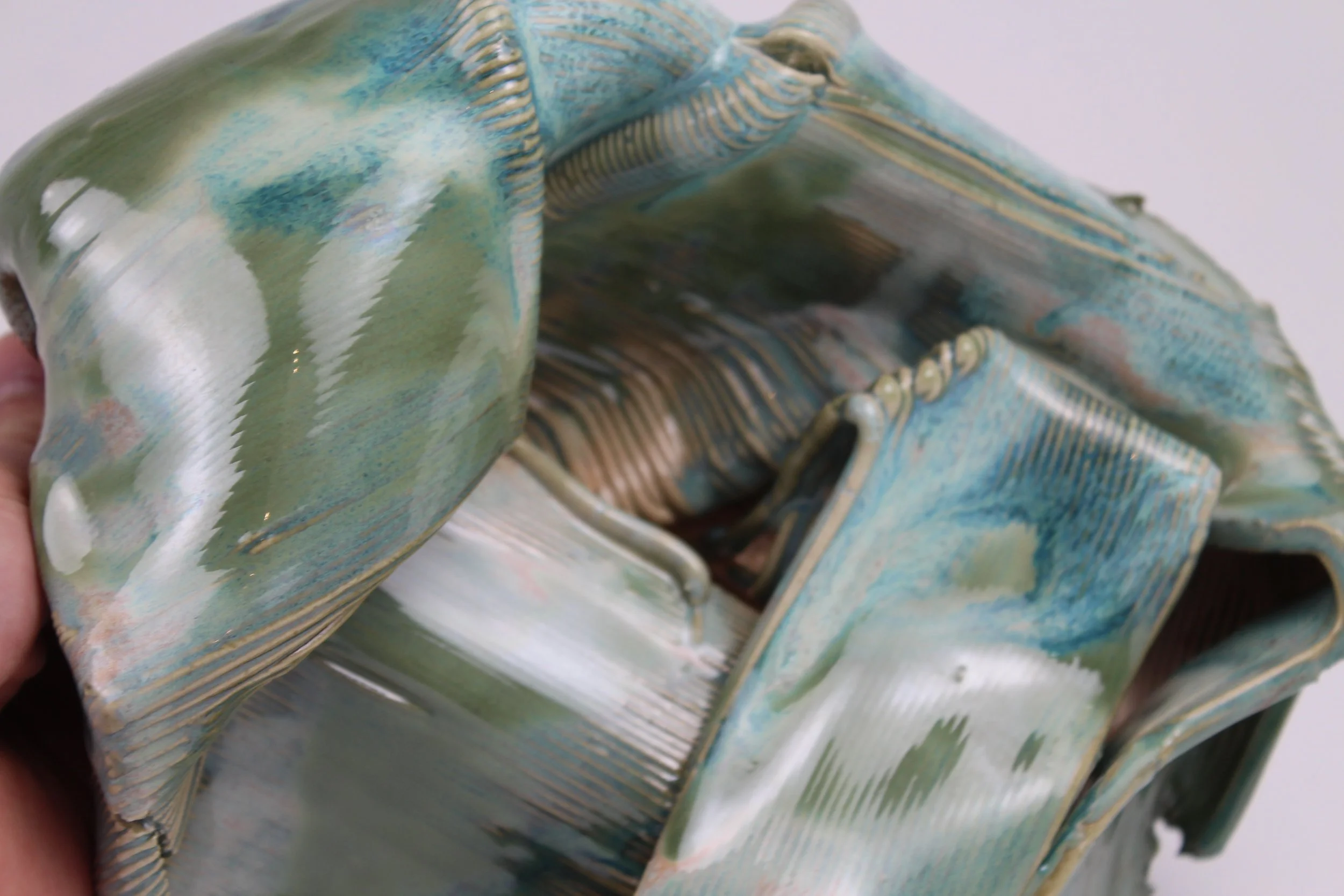
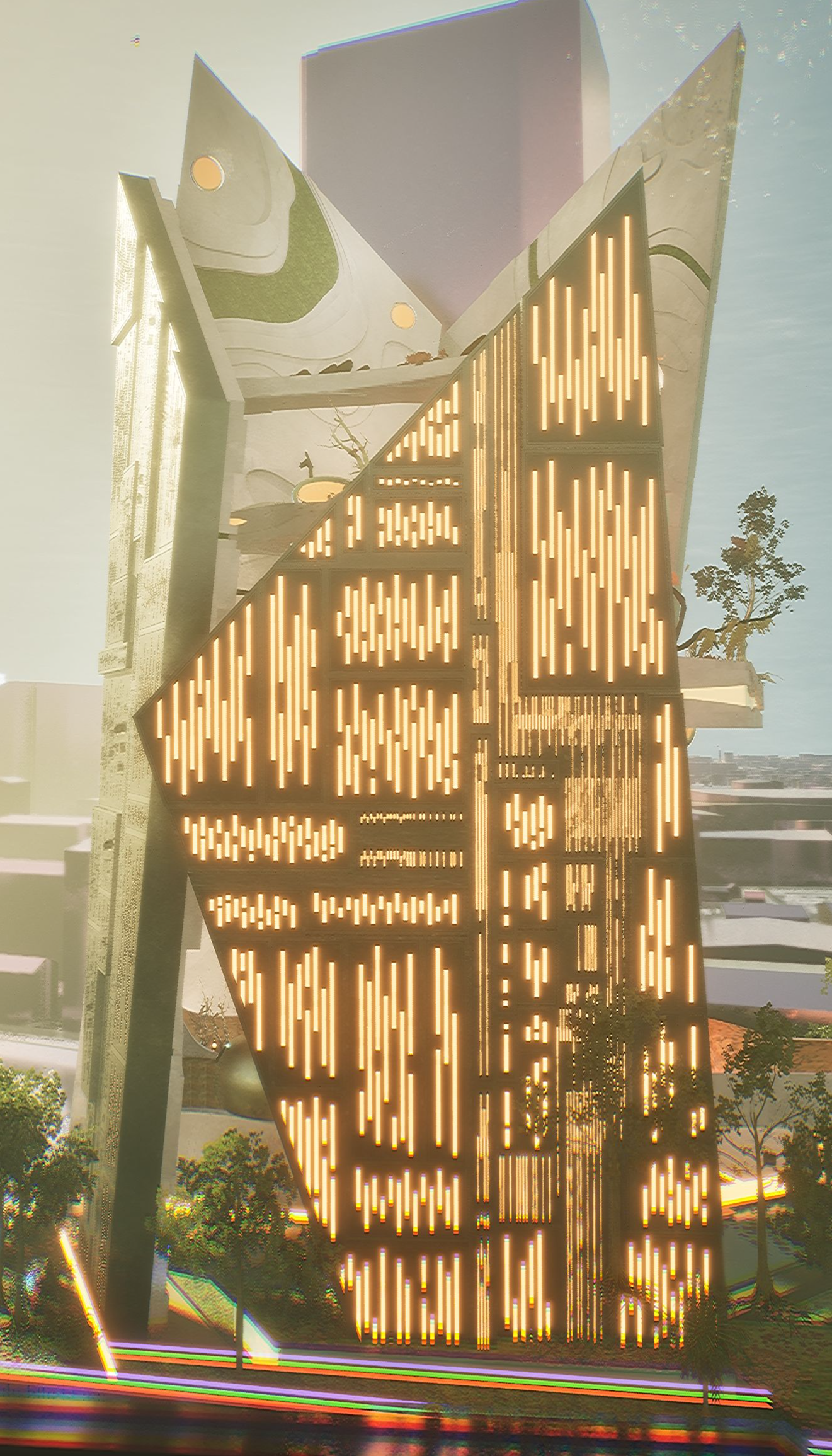
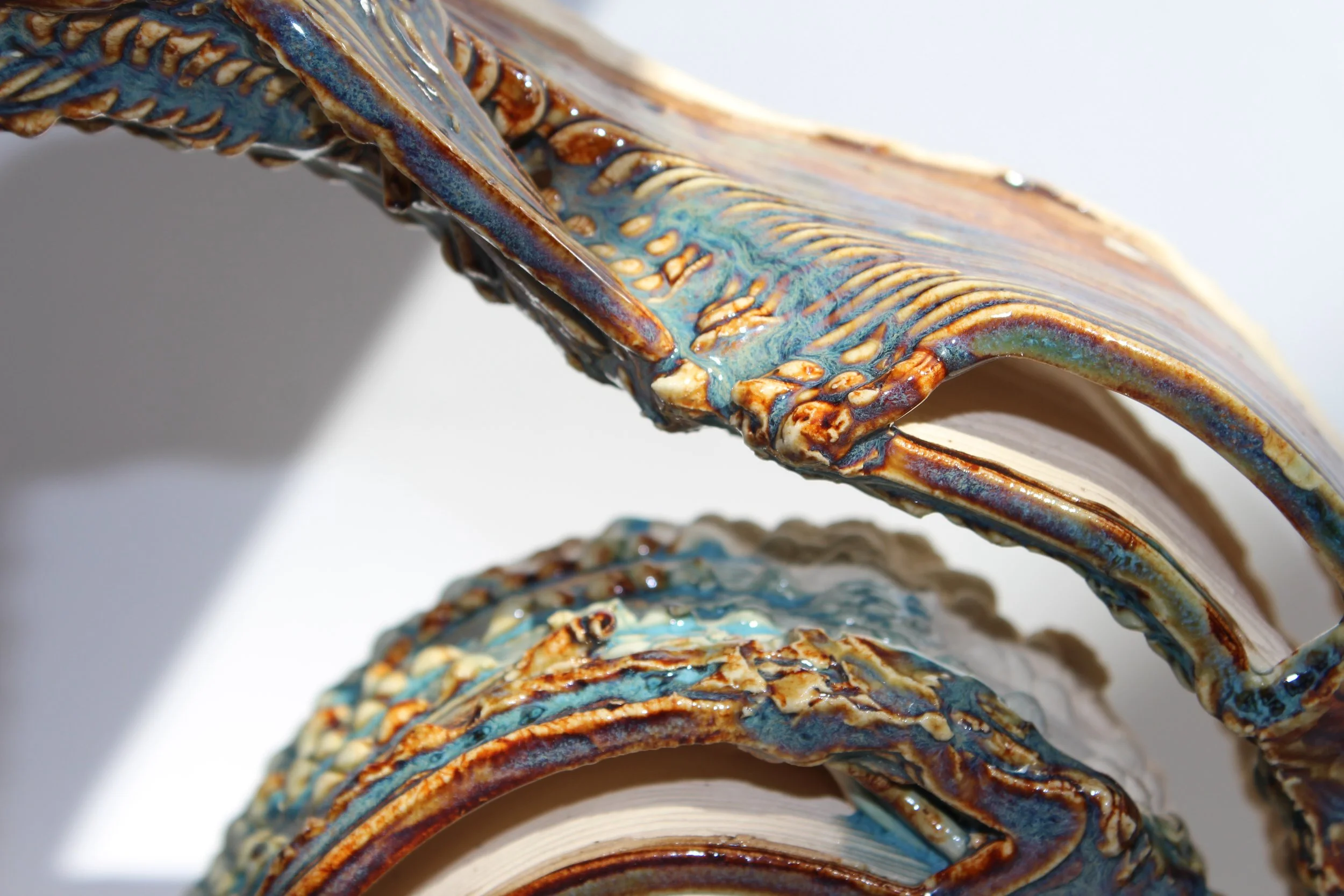
In this project we were tasked with creating an architectural facade using 3D printed ceramic. In the process we learned how to use our 3D geometry created in rhino, to make G-codes that the robot could read for the 3D print. With grasshopper we could then edit the extrusion paths to create unique textures in the prints. The resulting forms were then fired and glazed using traditional methods to create a one of a kind facade panel system.
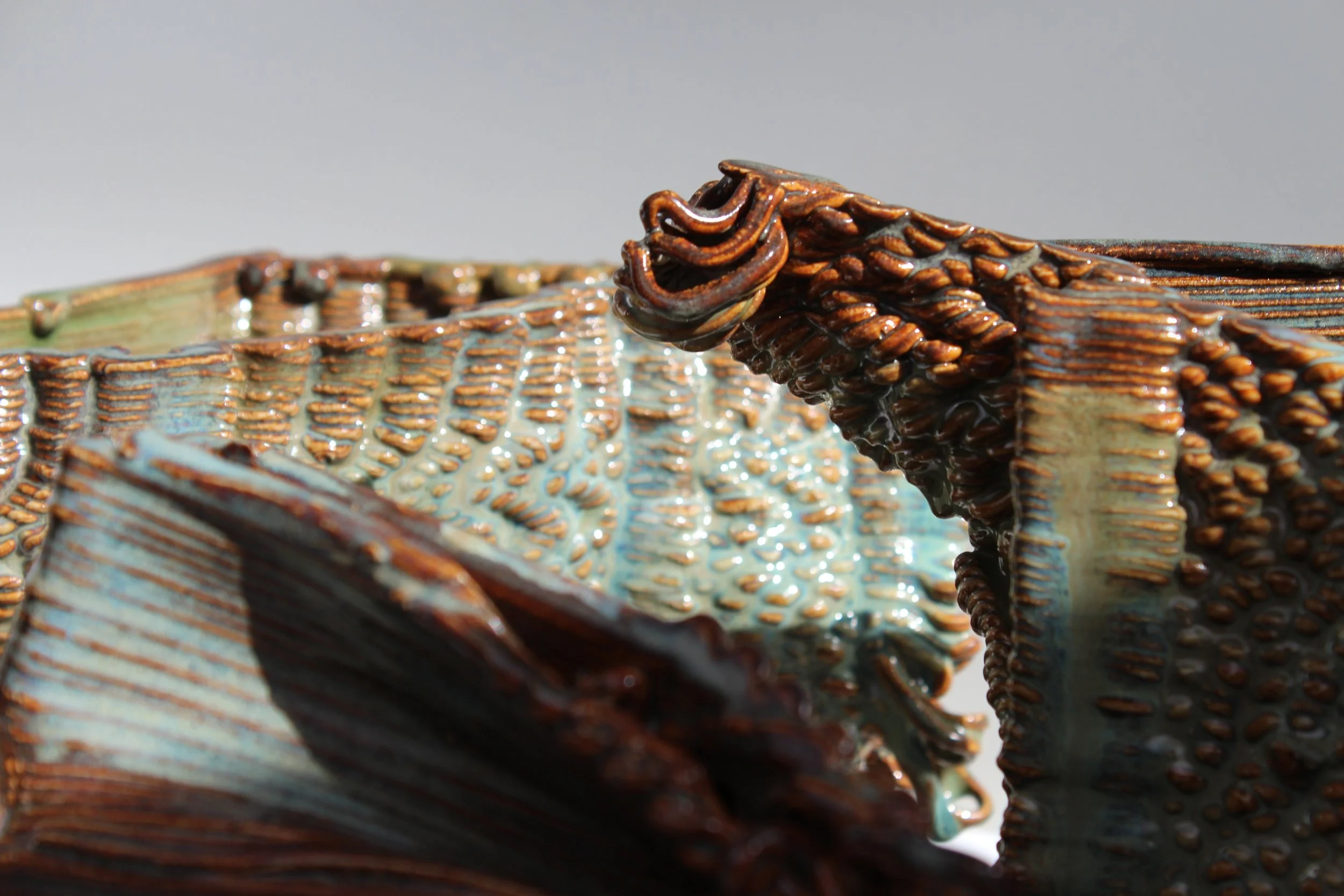
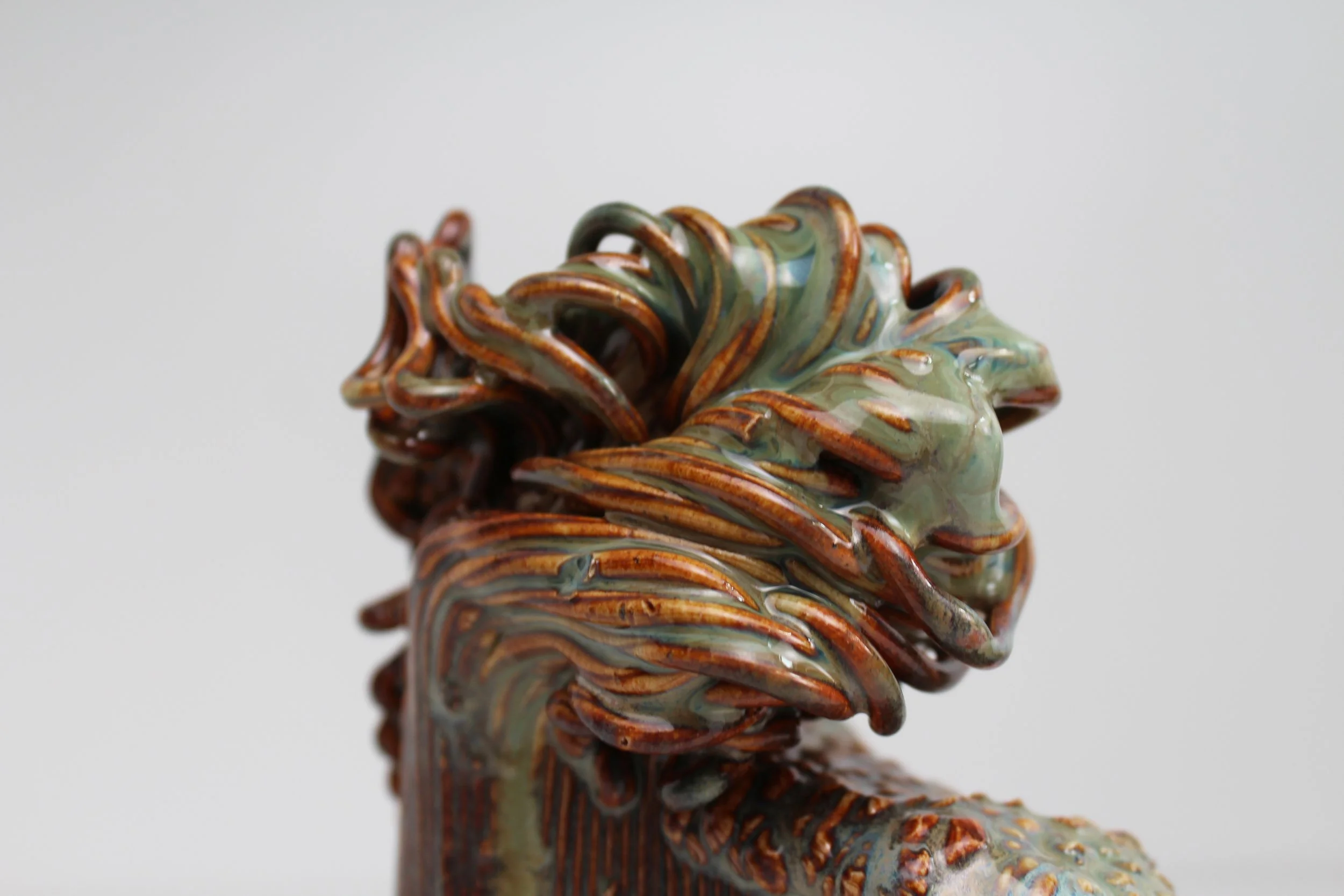
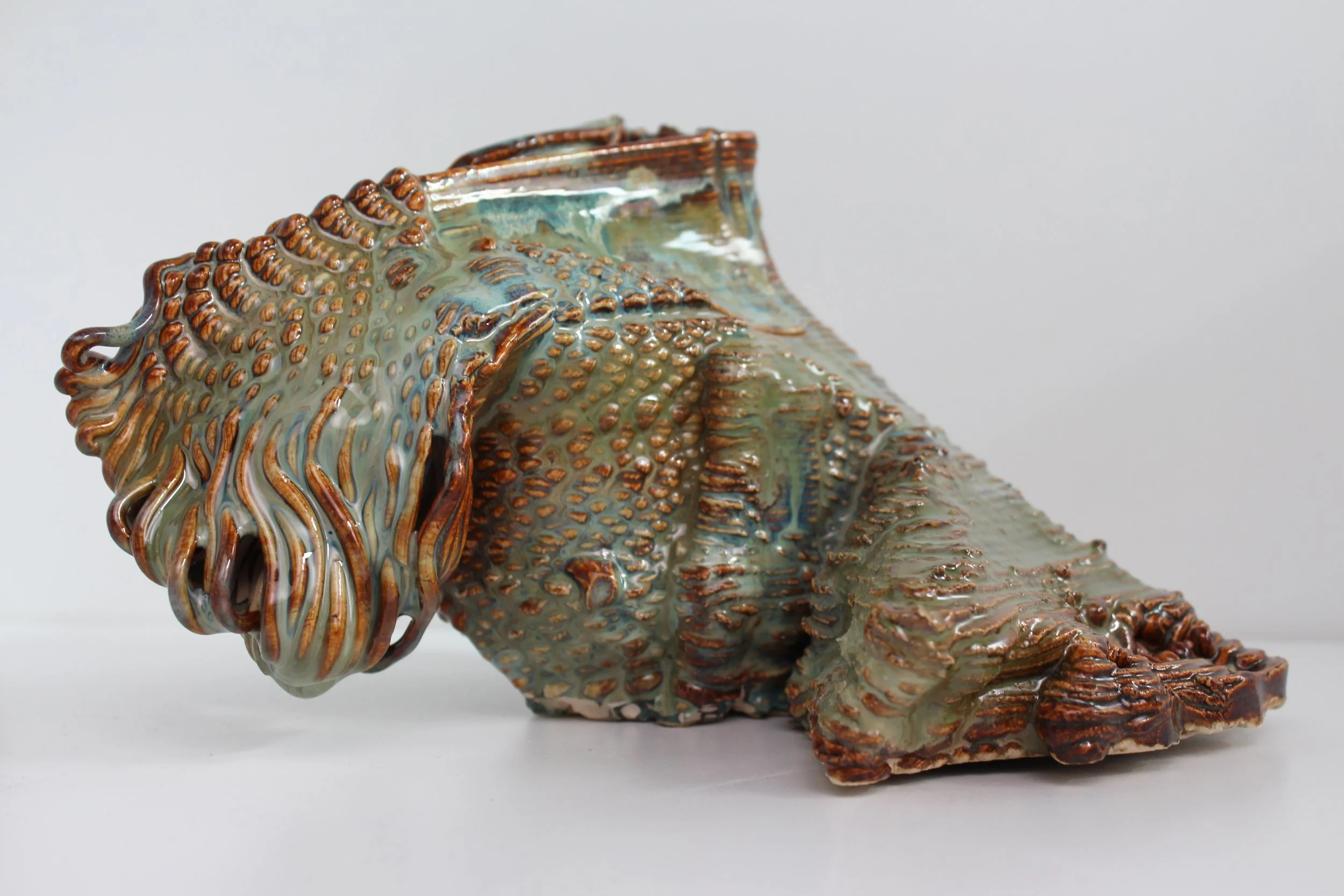
These pieces show the “SLUMP”. The purpose of applying new technology like a 3D printer to a primitive medium like clay is to introduce predictability and precision. When a 3d print “fails” due to cantilevers and unsupported weight, the result is a slumped, broken form. In this project, my collaborators and I decided that instead of discarding the “failed” pieces, we would embrace them. When a one piece failed we would 3d scan it using photogrammetry and digitally design the next piece to work with the new form.